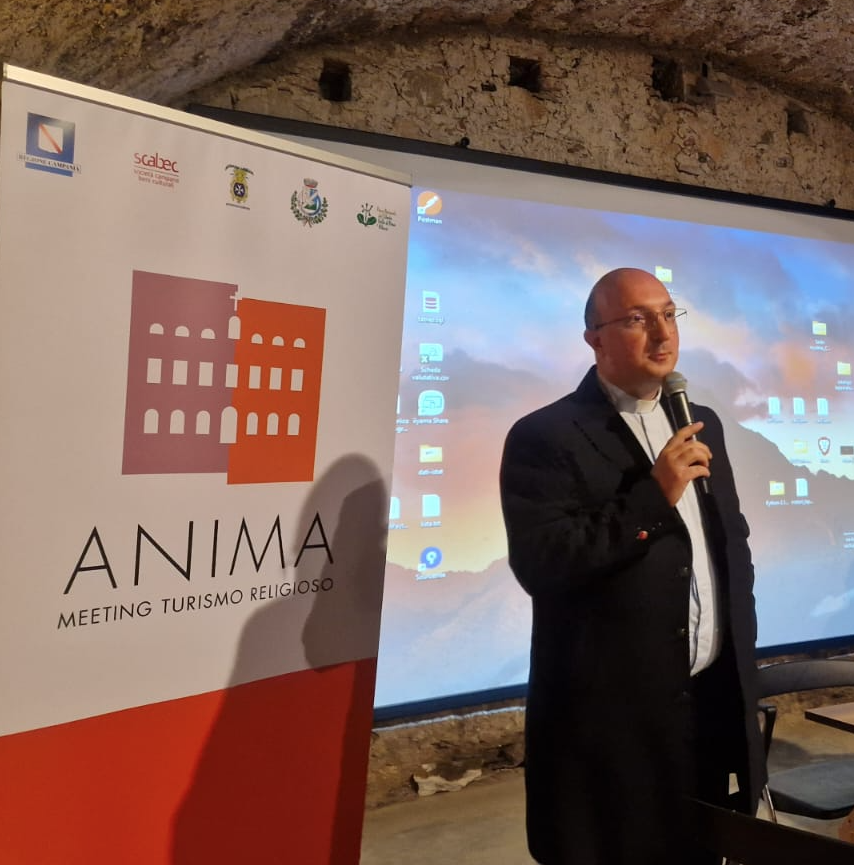
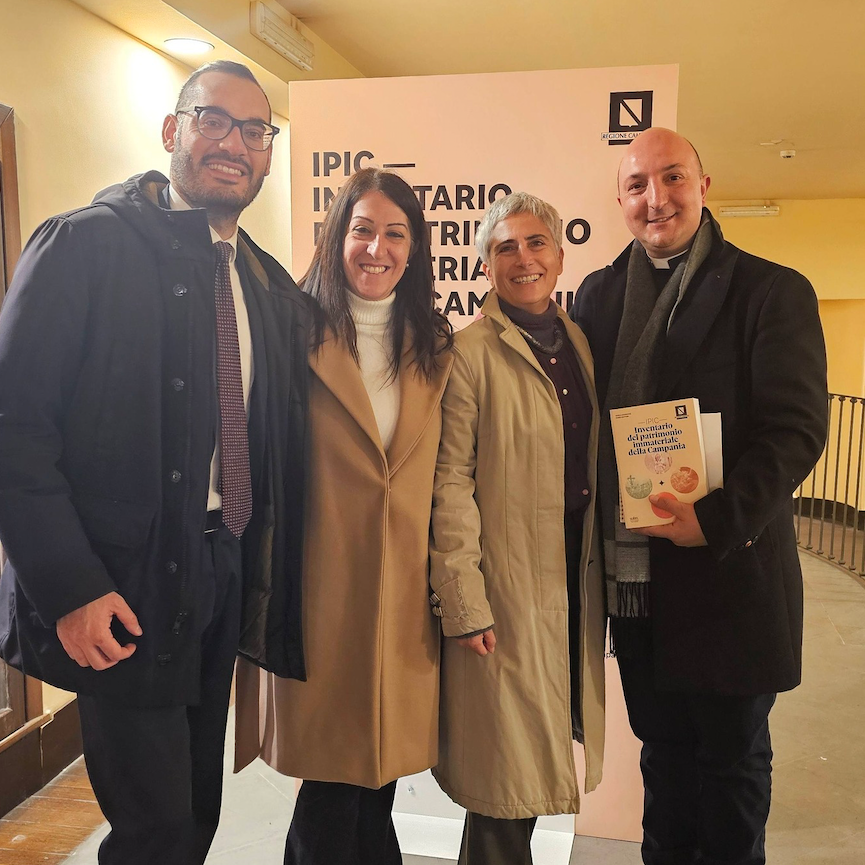
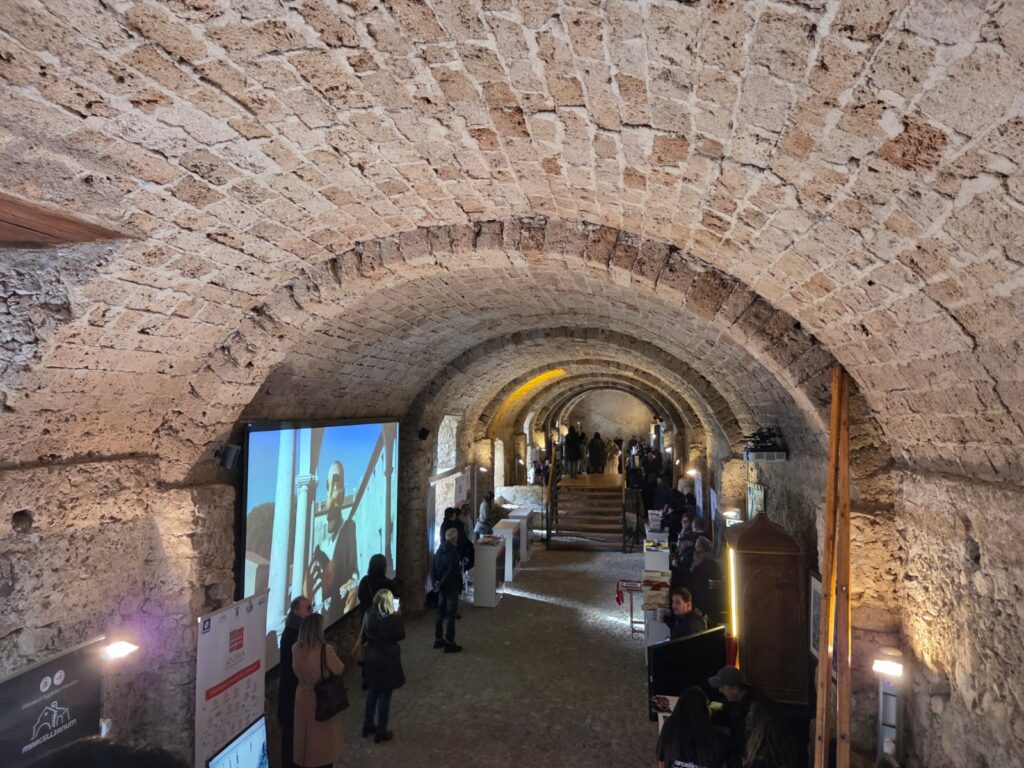
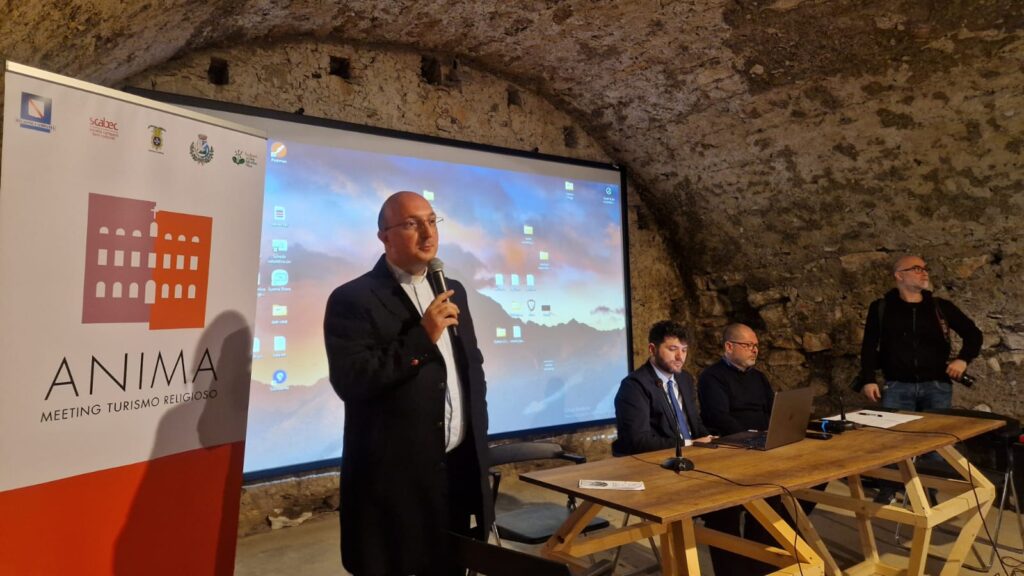
The Certosa di San Lorenzo in Padula, a UNESCO World Heritage Site in the heart of the Vallo di Diano, hosted the first edition of ANIMA – Religious Tourism Meeting on December 6th and 7th. The initiative, promoted by the Province of Salerno with the support of the Campania Region and Scabec, is part of the 2025 Jubilee “Pilgrims of Hope” program and represents an innovative project to enhance the spiritual and cultural heritage of the Salerno area.
A journey through faith, culture, and community
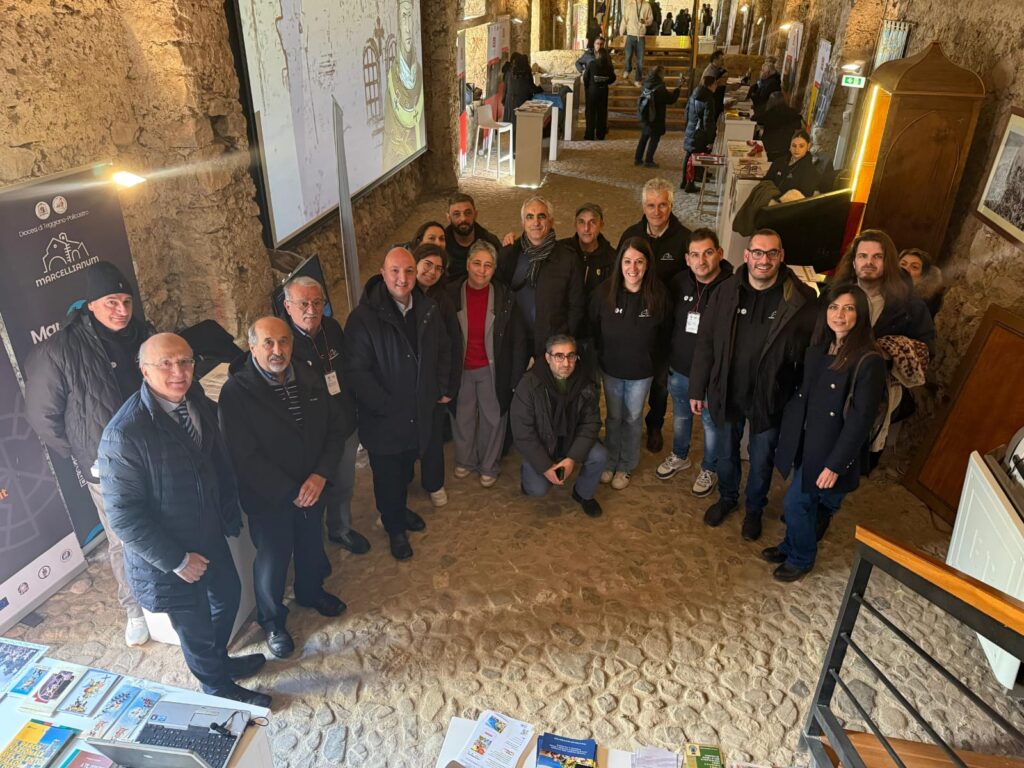
The event involved six dioceses in the province, public institutions, tourism operators, associations, and citizens. At the heart of the initiative was the desire to build a shared vision of religious tourism as a profound and participatory experience, capable of generating authentic relationships between territories.
The event explored key concepts such as contemplation, beauty, and community. The spaces of the Charterhouse were transformed into meeting places where the spiritual dimension merged with the cultural and social, sparking a fruitful dialogue among all local stakeholders.
Traditions and Popular Devotion
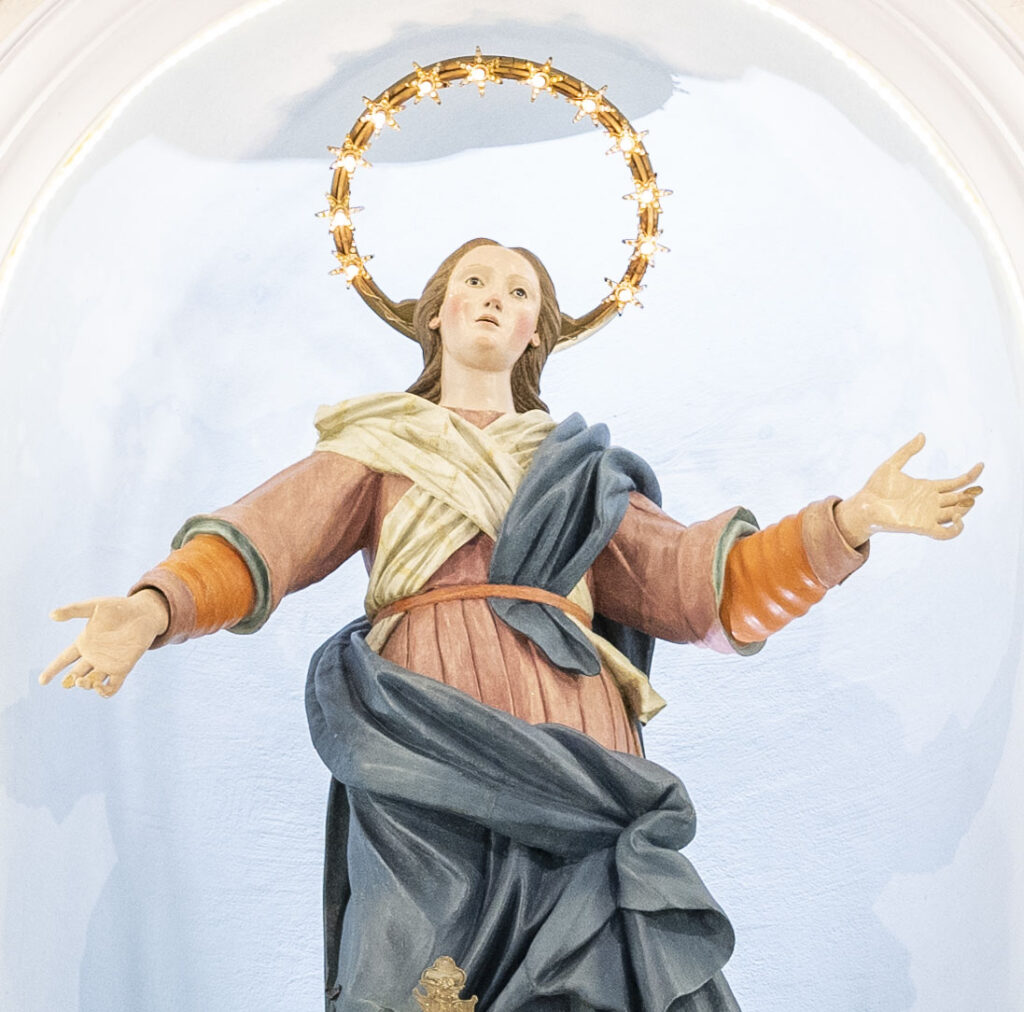
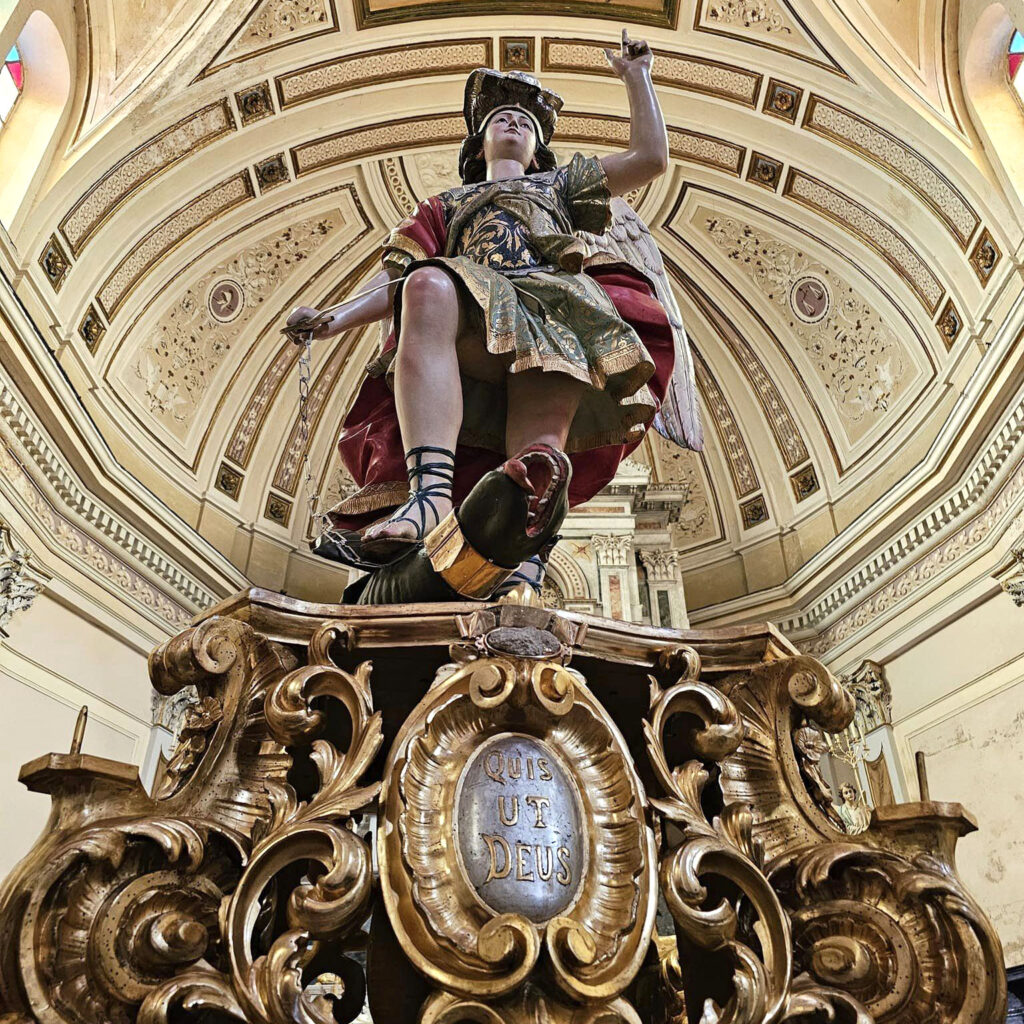
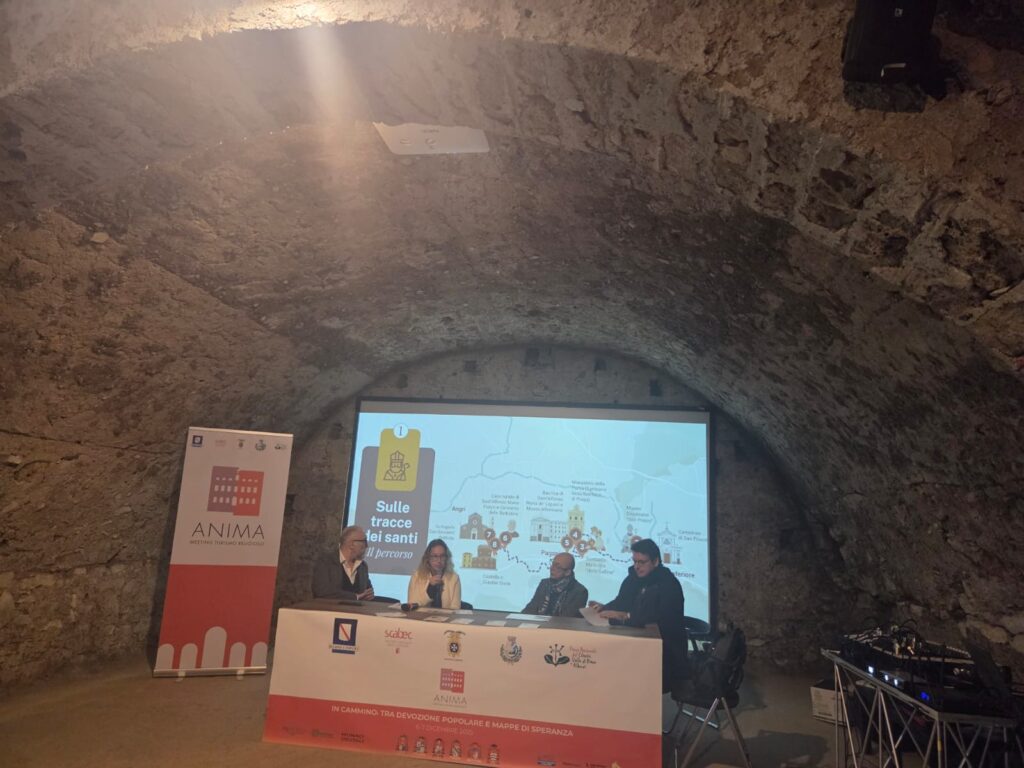
The program paid particular attention to popular piety and local traditions through ten conferences that explored the value of devotion as an expression of community identity. The Dioceses, custodians of memory, faith, and hospitality, played a central role in the event, demonstrating how sacred places continue to be points of reference for social cohesion.
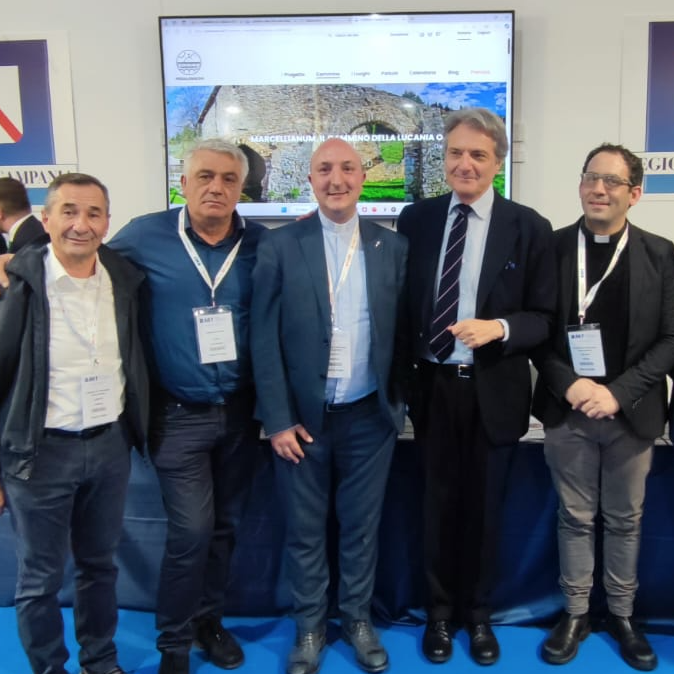
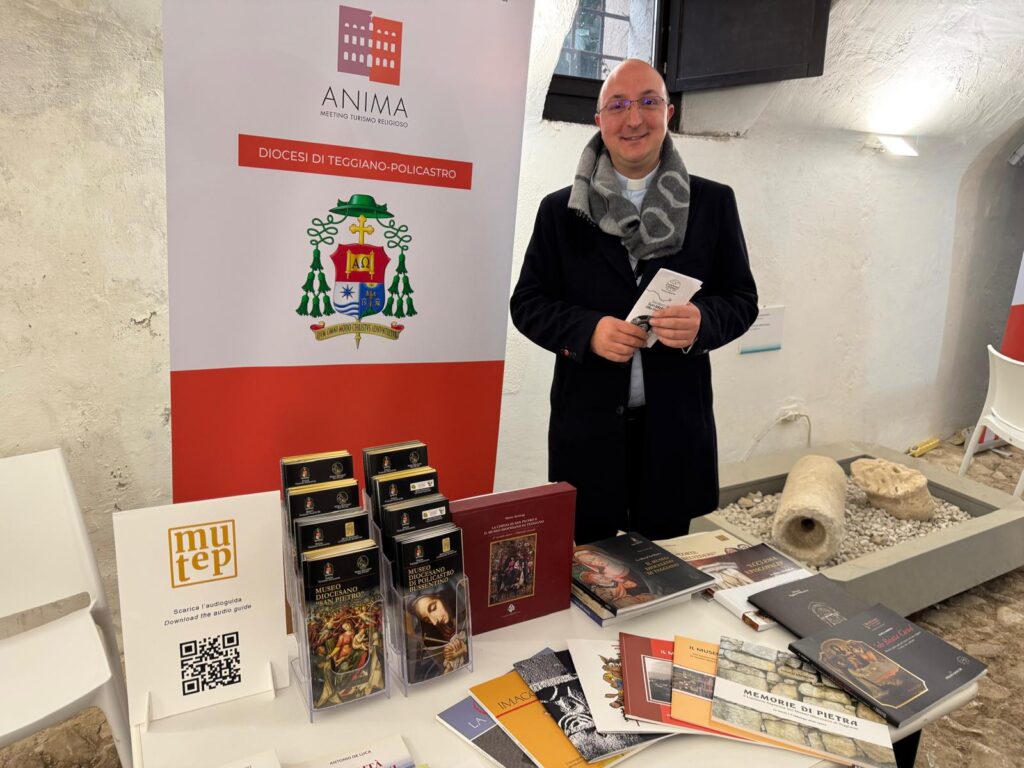
Among the most heartfelt participants, our Diocese of Teggiano-Policastro presented Marcellianum – the Western Lucania Trail – a trail that unites ancient hill and mountain routes consisting of 18 circular itineraries located in the various towns and hamlets of the Marcellianum area, an ancient agricultural estate in the territory of the Roman city of Cosilinum. The walk offers evocative views of the Vallo di Diano and allows visitors to explore the ecclesiastical cultural heritage spread throughout the area, starting with the early Christian Baptistery of San Giovanni in Fonte.
Great emphasis was also placed on walking and slow tourism, with workshops dedicated to sustainability, rooted tourism, and territorial networks. It clearly emerged how religious tourism can become a concrete tool for enhancing villages, inland areas, and lesser-known spiritual landscapes, creating new economic opportunities while respecting local identities.
Numbers and Prospects
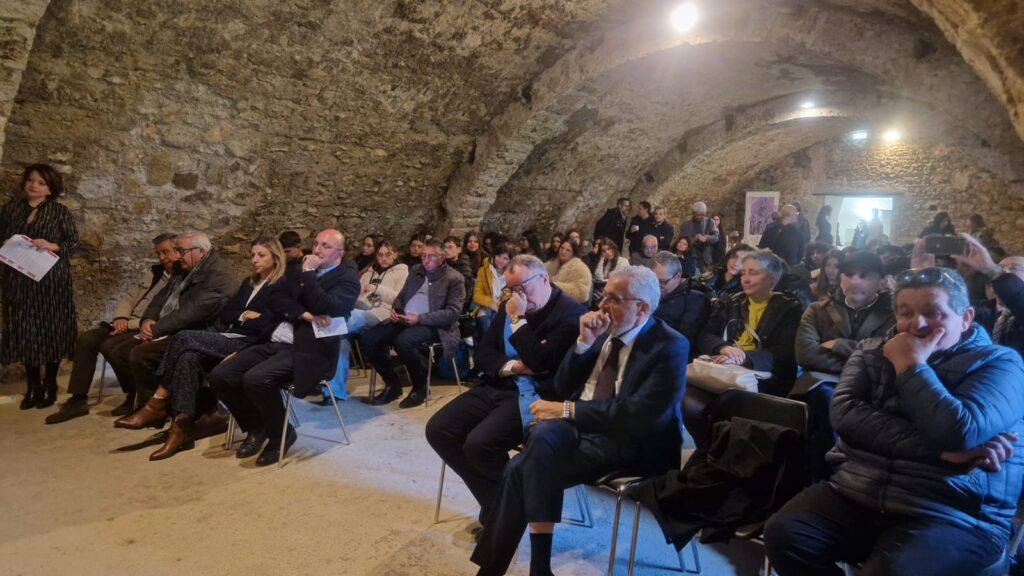
The first edition attracted significant numbers: one UNESCO site, six participating dioceses, five public institutions, seven partners, thirty exhibitors supported by 150 volunteers, six schools, forty speakers, ten conferences, three art installations, two historical reenactments, two musical tours, and thousands of visitors on the walk.
ANIMA has established itself as a laboratory for “deep tourism,” a travel model that prioritizes immersion in the meanings, relationships, and histories of communities over the superficial consumption of places. The event demonstrated how religious tourism, when grounded in beauty, authenticity, and community, can be an effective tool for cultural, social, and economic regeneration.
The Future of ANIMA
Provincial Councilor for Tourism, Pasquale Sorrentino, announced that the Certosa di Padula will host a new important event in May 2026: the Religious Tourism Exchange of Paths and Pilgrimages. This will be an opportunity to add a commercial dimension to the exhibition and narrative aspect, with meetings between supply and demand, always in close collaboration with the Dioceses.